Green and Red Flags to Watch Out for in Artificial Turf Companies
Artificial turf has become an increasingly popular option for homeowners and businesses seeking low-maintenance landscaping solutions. From residential lawns to commercial spaces and sports fields, synthetic grass can provide a consistent, visually appealing surface without the upkeep required by natural grass. However, the quality of installation and materials can vary widely depending on the provider, which makes choosing the right company an important decision.
Working with reliable artificial turf companies can make a significant difference in the appearance, durability, and long-term performance of your landscape investment. A professional provider will offer clear communication, high-quality materials, and experienced installation practices that help the turf last for years.
At the same time, there are warning signs that may indicate a company is not the best fit for your project. Knowing how to identify both positive indicators and potential concerns can help homeowners and property managers make confident decisions. In this article, we will explore the green and red flags to watch out for in artificial turf companies.
Green Flag: Clear Communication and Transparency
One of the most important signs of a trustworthy company is clear and consistent communication. Reliable providers are willing to answer questions, explain their services, and walk customers through the installation process in detail.
Professional artificial turf companies often begin by scheduling consultations to understand the customer's needs and evaluate the property. During these discussions, they should provide straightforward explanations about materials, installation steps, timelines, and maintenance expectations.
Transparency also applies to pricing. A reputable company typically provides written estimates that clearly outline labor, materials, and any additional costs. When companies communicate openly and provide clear documentation, it demonstrates professionalism and helps customers feel more comfortable with their decision.
Red Flag: Vague Pricing or Unclear Estimates
On the other hand, vague pricing can be a warning sign when researching turf installation providers. If a company offers an estimate without visiting the site or reviewing project details, the quoted price may not accurately reflect the scope of work required.
Some artificial turf companies may advertise extremely low prices to attract attention but fail to include essential elements such as base preparation, drainage layers, or finishing materials. These missing components can lead to unexpected costs later in the project.
Homeowners should be cautious when estimates lack detail or when representatives avoid providing written documentation. Clear, itemized estimates help customers understand what they are paying for and reduce the risk of misunderstandings.
Green Flag: Experience and Industry Knowledge
Experience plays a major role in successful artificial turf installation. Companies that have worked on a wide range of projects often develop a deeper understanding of soil conditions, drainage requirements, and proper installation techniques.
When evaluating artificial turf companies, it can be helpful to ask about previous projects and areas of expertise. Some providers focus on residential landscaping, while others may specialize in sports fields or commercial properties.
Experienced installers are also more likely to understand how different turf products perform in various climates. Their knowledge can help guide customers toward materials that are appropriate for the intended use, whether that involves backyard recreation, pet areas, or decorative landscaping.
Red Flag: Limited Portfolio or Lack of References
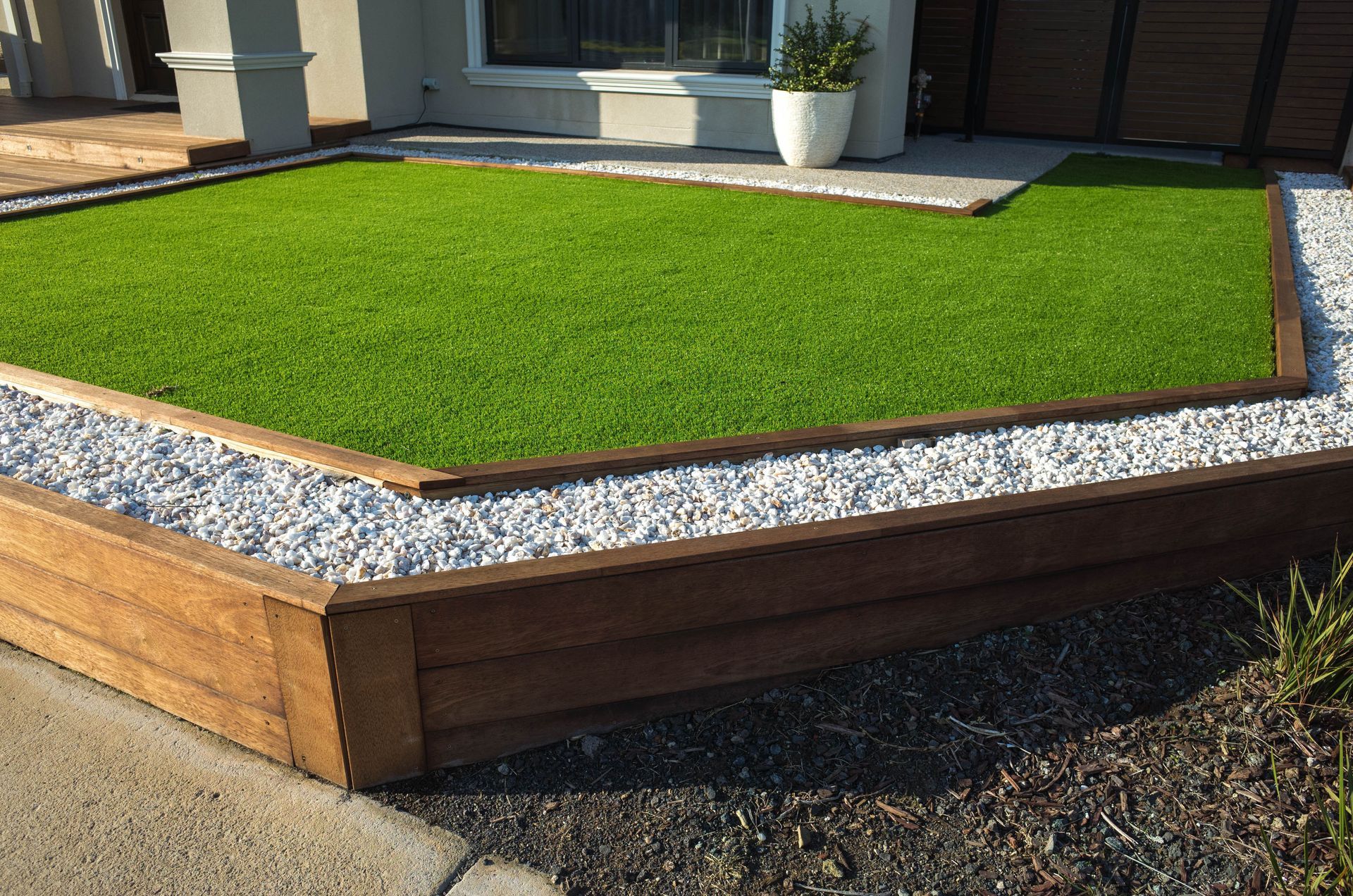
A company's portfolio can provide valuable insight into its workmanship and attention to detail. Reputable companies typically showcase completed projects through photos, case studies, or customer testimonials.
If a provider cannot supply examples of past work or references from previous clients, it may indicate limited experience or inconsistent results. Reviewing project photos allows customers to see how installations hold up over time and whether the finished product appears natural and well-installed.
It is also helpful to read reviews and speak with past clients when possible. Feedback from other homeowners can reveal how artificial turf companies handle communication, scheduling, and problem resolution throughout the project.
Green Flag: Quality Materials and Product Options
Not all artificial turf products are created equal. High-quality turf is designed to mimic the appearance and texture of natural grass while offering durability for regular use. Reliable companies often provide several product options to suit different landscaping goals.
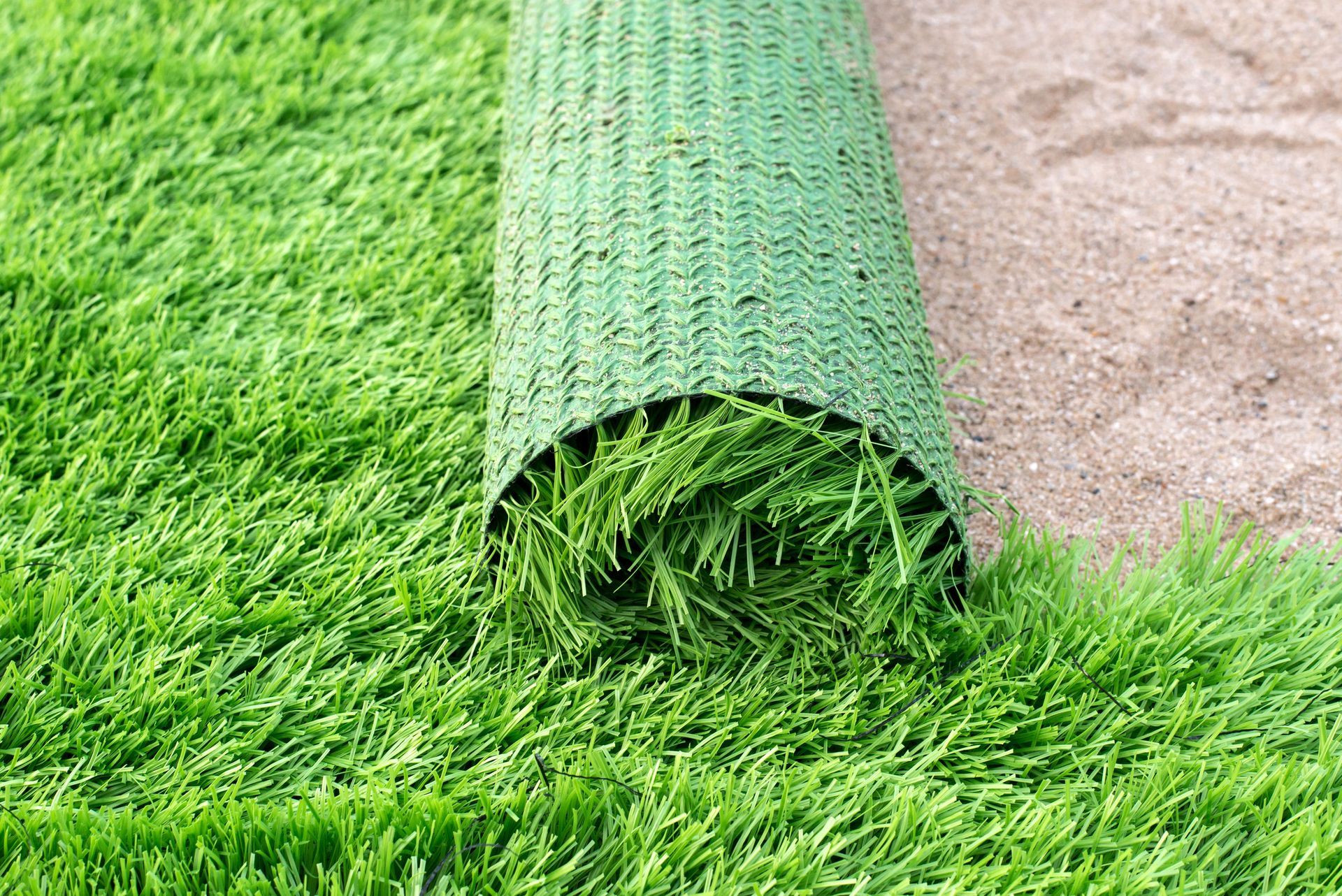
When working with reputable artificial turf companies, customers should expect explanations about turf fiber types, blade shapes, backing materials, and infill systems. Each of these components affects the turf's performance, appearance, and longevity.
Professional installers also tend to partner with established manufacturers that produce turf designed for long-term use. These products often include warranties and are engineered to withstand weather exposure and foot traffic.
Red Flag: One-Size-Fits-All Solutions
While synthetic grass offers many advantages, different properties require different installation approaches. A provider that recommends the same product or method for every project may not be considering the unique characteristics of each landscape.
For example, properties with drainage challenges may require specialized base preparation, while areas used by pets may benefit from turf designed for easy cleaning. Artificial turf companies that skip these considerations could deliver results that do not meet the client's expectations.
Companies that take time to evaluate the site and recommend tailored solutions typically demonstrate a stronger commitment to quality work.
Green Flag: Detailed Installation Process
Proper installation is essential to the long-term performance of artificial turf. A professional installer will explain each stage of the process, from site preparation to final grooming.
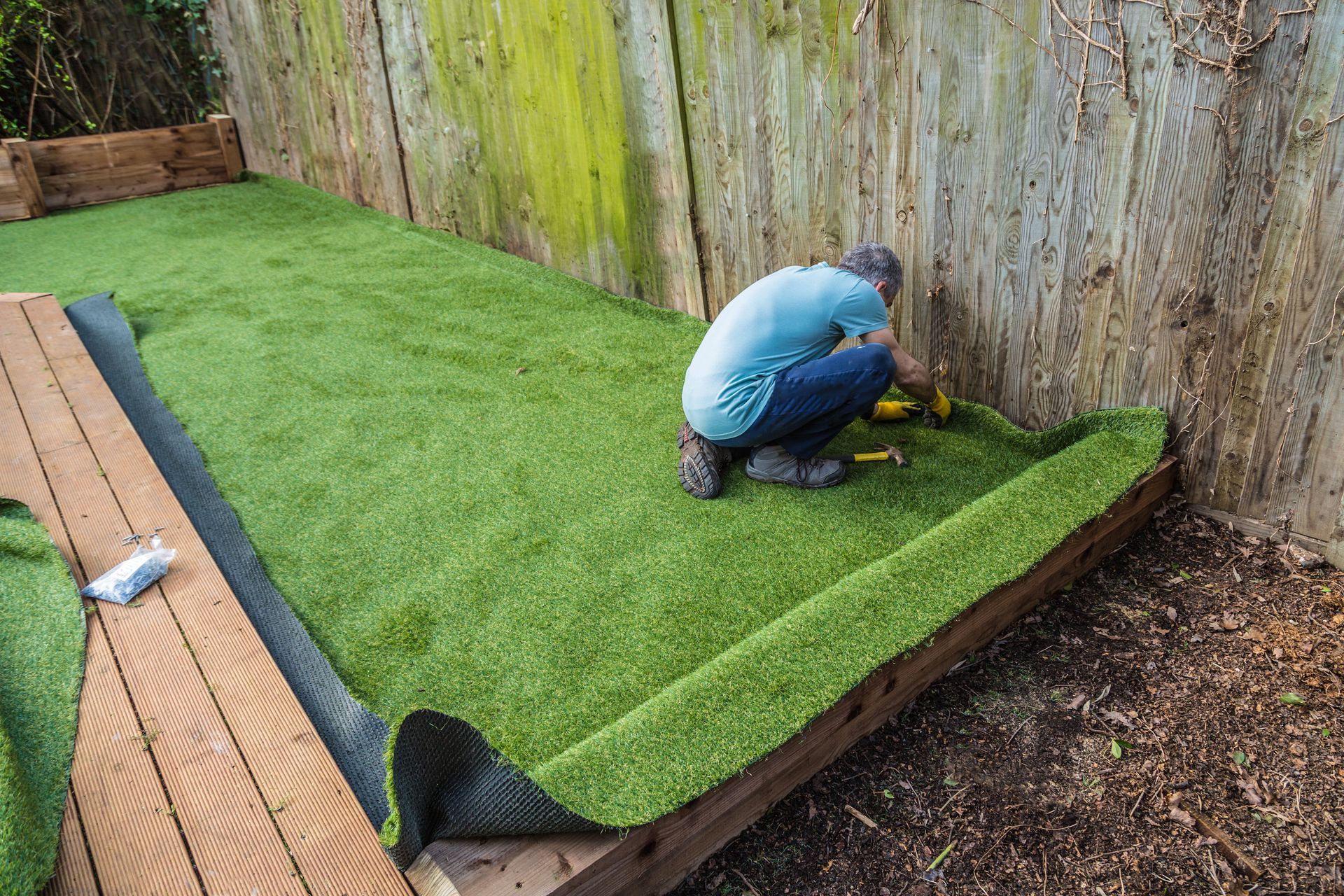
The installation process typically involves removing existing vegetation, leveling the soil, installing a compacted base layer, and securing the turf with appropriate seams and edging. Attention to drainage is particularly important because it helps prevent water from pooling beneath the surface.
Reliable artificial turf companies will also discuss how the turf is secured and how seams are concealed to create a smooth, natural appearance. When installers clearly explain these steps, it demonstrates that they follow proven practices rather than shortcuts.
Red Flag: Rushed or Oversimplified Installation Plans
Some companies attempt to speed up projects by skipping important preparation steps. For example, failing to install a proper base layer can lead to uneven surfaces, drainage problems, and premature wear.
Homeowners should be cautious if a company claims the installation can be completed unusually quickly without explaining the preparation process. Quality installations require careful planning and attention to detail.
If artificial turf companies avoid discussing site preparation or drainage solutions, it may indicate that essential components of the project are being overlooked.
Green Flag: Positive Reputation and Professional Credentials
A company's reputation can reveal a great deal about its reliability. Businesses that consistently provide quality work tend to receive positive feedback from customers and maintain strong relationships within their communities.
Professional affiliations and certifications can also demonstrate credibility. According to the National Association of Landscape Professionals, more than 40% of Americans hire landscaping professionals. This statistic highlights the importance of choosing experienced providers who understand industry standards and best practices.
Artificial turf companies that invest in training, certifications, and industry partnerships often demonstrate a commitment to professional development and quality workmanship.
Red Flag: Poor Customer Service or High-Pressure Sales
Customer service is another factor that should not be overlooked when selecting a turf installer. Companies that rush customers into decisions or use aggressive sales tactics may not prioritize long-term client satisfaction.
A reputable company should allow customers time to review estimates, compare options, and ask questions before moving forward with a project. High-pressure tactics can sometimes signal that the company is more focused on closing a sale than delivering quality results.
Pay attention to how representatives communicate throughout the consultation process. Respectful and informative interactions often indicate a company that values its clients and takes pride in its work.
If you are considering installing synthetic grass on your property, get in touch with our team at Kirsch Landscape & Design to achieve a durable, attractive landscape. We look forward to hearing from you!
Share On: