
What to Expect During a Lawn Install and How to Prepare Your Property
Understanding the ins and outs of an artificial lawn or turf installation can help you better prepare your yard and set realistic expectations for the finished space. In this article, we’ll walk through the steps involved in a modern lawn install and how you can get your property ready ahead of time. An artificial turf lawn install isn’t only about appearance; it’s about creating a low-maintenance space for relaxation, play, and everyday use. With thoughtful planning and attention to detail, artificial turf can deliver a clean, consistent look that complements your home year-round. Knowing what to expect before a lawn install begins helps the entire transformation stay efficient, predictable, and well organized.
Choosing the Right Type of Artificial Turf
Consider Your Climate and Region
When planning an artificial turf lawn install, climate and regional conditions still matter. Turf products vary in fiber structure, backing materials, and drainage performance, which all influence how well the surface holds up over time. Some turf options are engineered to resist fading in high-sun environments, while others are designed to manage heavy rainfall efficiently. Choosing materials that align with your region helps your lawn install maintain consistent appearance, comfort, and durability throughout the year.
Evaluate Your Yard’s Purpose
The way you plan to use your yard plays an important role in turf selection. Some artificial lawns are designed for frequent foot traffic, while others focus more on visual appeal and aesthetics. Areas intended for pets, entertaining, or play benefit from denser fibers and added cushioning for comfort. Clearly defining your goals early helps guide decisions that affect longevity, usability, and overall satisfaction after the lawn install is complete.
Researching Different Turf Styles
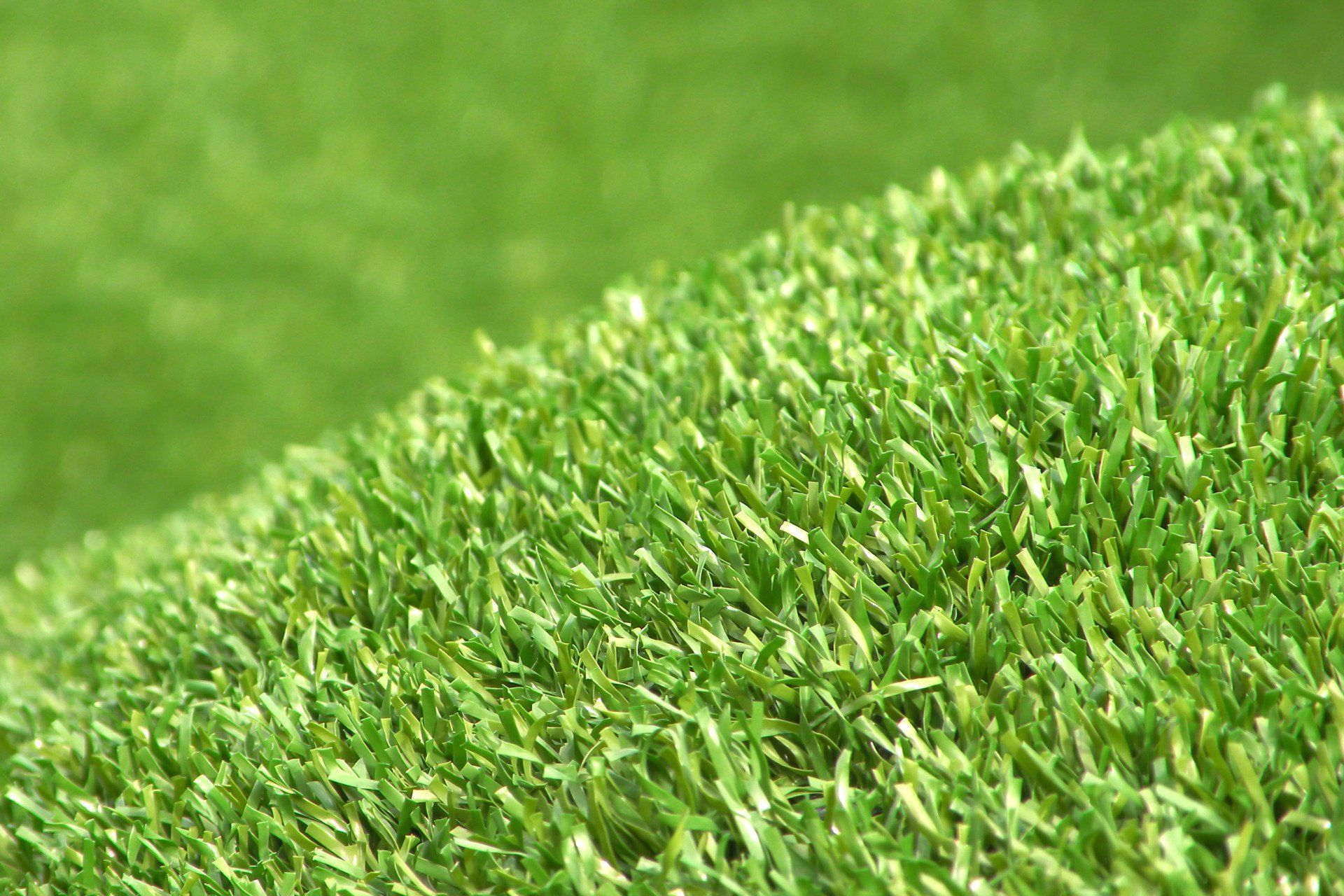
Before moving forward, it’s helpful to compare different artificial turf styles. Options vary in pile height, color variation, softness, and texture, all of which influence how natural the surface looks and feels. Some styles prioritize realism, while others focus on durability and drainage. Taking time to review samples and product details ahead of a lawn install reduces guesswork and supports a finished yard that meets both functional and aesthetic expectations.
Consulting with Local Turf Professionals
Local installers bring valuable insight into turf selection and layout. Their experience with soil conditions, drainage challenges, and common yard designs allows them to recommend products that perform reliably in real-world conditions. They can also anticipate potential challenges before installation begins. Professional guidance often leads to a smoother lawn install and fewer adjustments once the turf is in place.
Cost Considerations
The cost of an artificial turf project depends on yard size, product choice, and site preparation needs. While the upfront investment for a lawn install may be higher than natural grass, long-term savings often come from reduced watering, mowing, fertilizing, and upkeep. Artificial turf also eliminates many recurring maintenance expenses over time. Evaluating both short-term and long-term costs helps homeowners make informed planning decisions.
Preparing Your Property for Installation
Clearing the Area
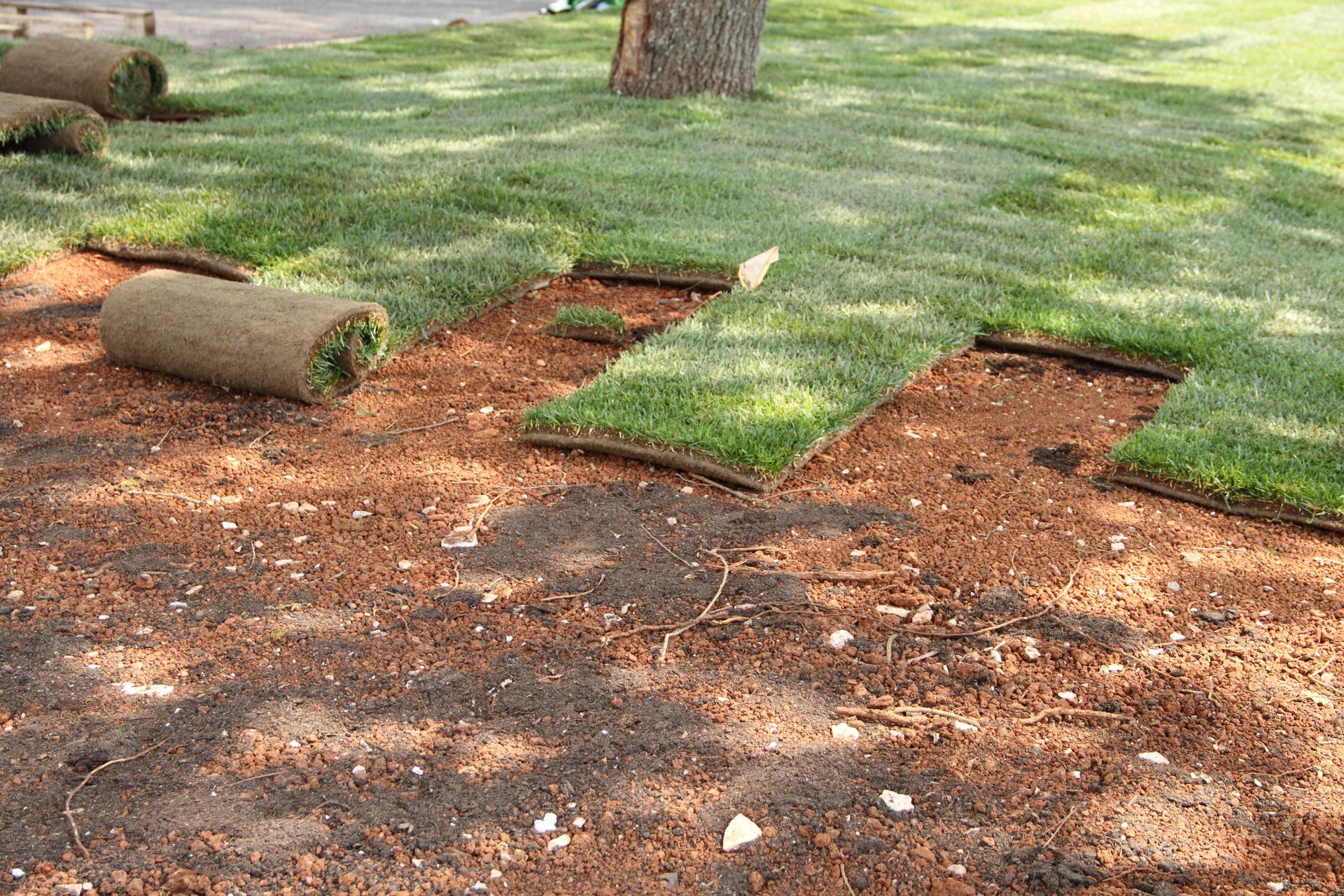
Preparing the yard starts with removing existing grass, weeds, rocks, and debris. Clearing the area creates a stable foundation and prevents organic material from breaking down beneath the surface. This step also helps avoid uneven settling over time. Proper site preparation supports a cleaner, more durable lawn install and reduces the risk of surface irregularities later.
Base Preparation and Ground Stabilization
Artificial turf relies on a compacted base rather than soil nutrients to support the surface. Crushed stone or similar materials are installed, graded, and compacted to create a firm, well-draining foundation. This base layer plays a major role in the long-term performance of the lawn install. Proper stabilization helps prevent shifting, sinking, or uneven wear.
Leveling the Surface
A smooth, level surface is essential for visual consistency and comfort underfoot. Uneven grading can affect drainage and create noticeable dips or raised areas in the turf. Leveling also helps seams blend together more naturally. Taking time to properly level the base before turf placement helps the lawn install look polished and professional.
Drainage Planning
Drainage is a critical consideration when installing artificial turf. Most turf systems include built-in drainage holes, but the base must allow water to flow away efficiently to prevent pooling. Proper drainage keeps the surface usable after rainfall and helps protect the base structure. Artificial lawns significantly reduce water usage compared to natural grass, making drainage planning an important part of the overall lawn install strategy.
Creating an Installation Schedule
A clear schedule keeps each phase organized, from excavation to final brushing. Coordinating materials, labor, and preparation steps helps prevent delays and miscommunication. Scheduling also allows installers to work efficiently without rushing critical steps. A well-planned timeline helps the lawn install move forward smoothly and predictably.
The Installation Process
Turf Placement and Seaming
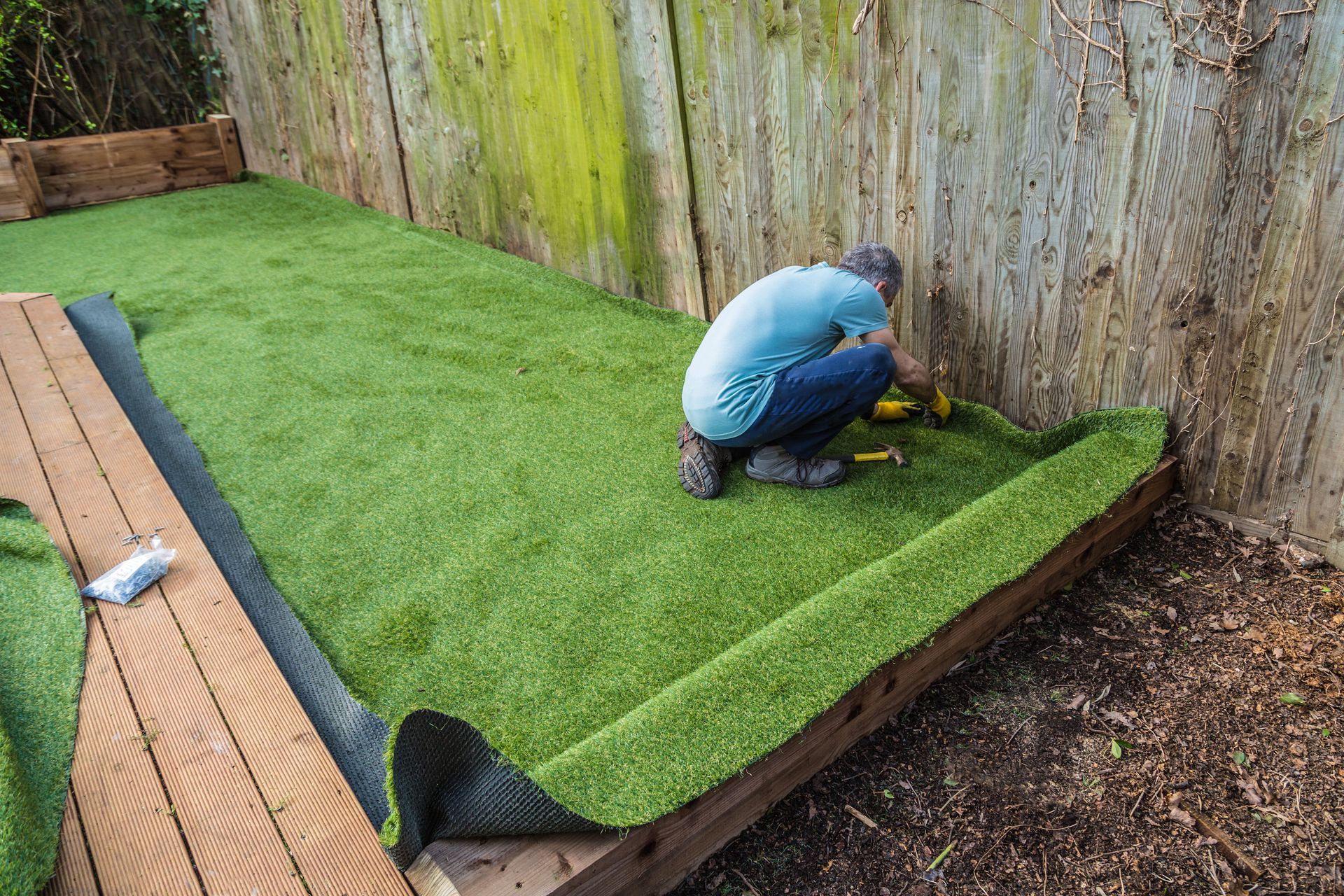
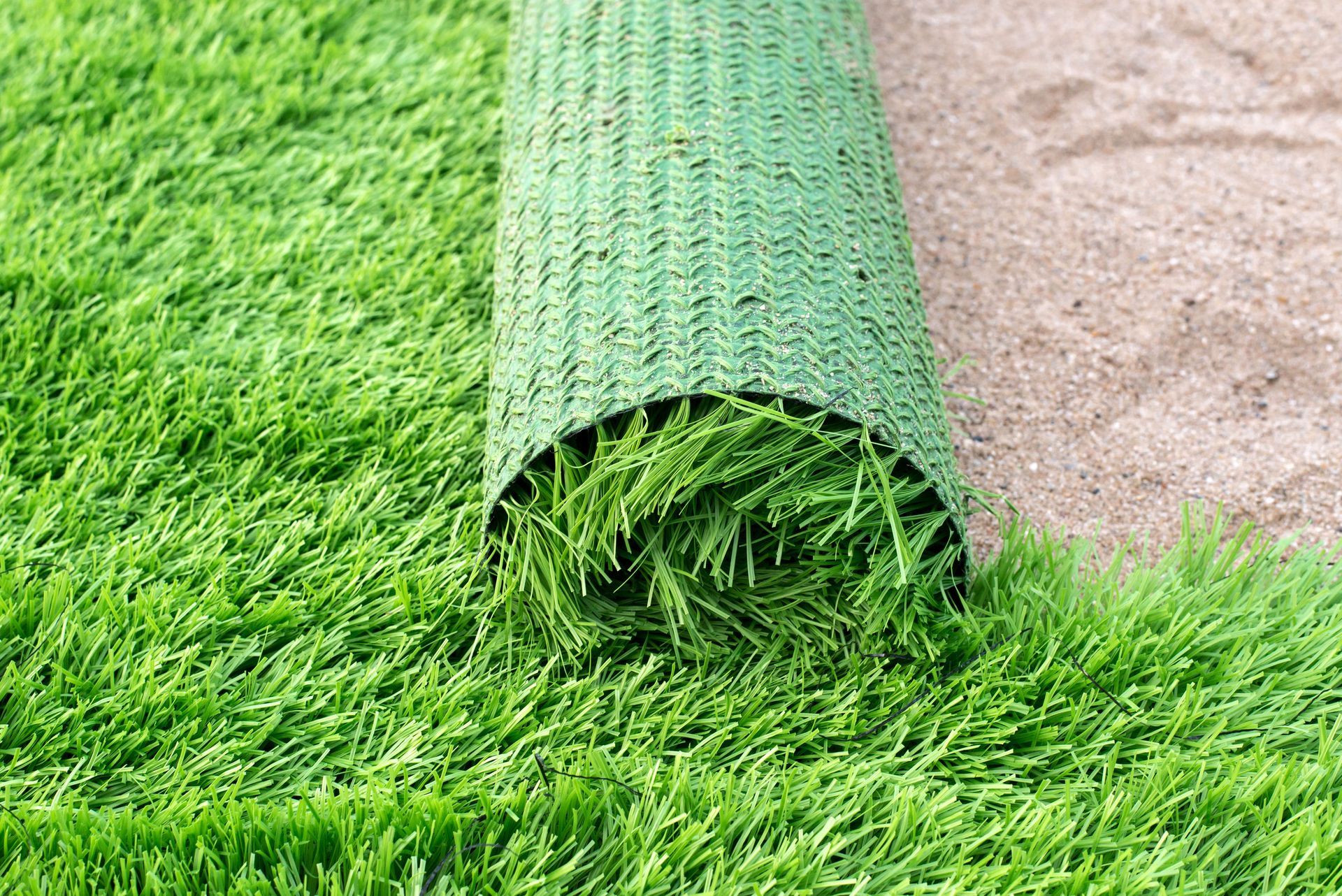
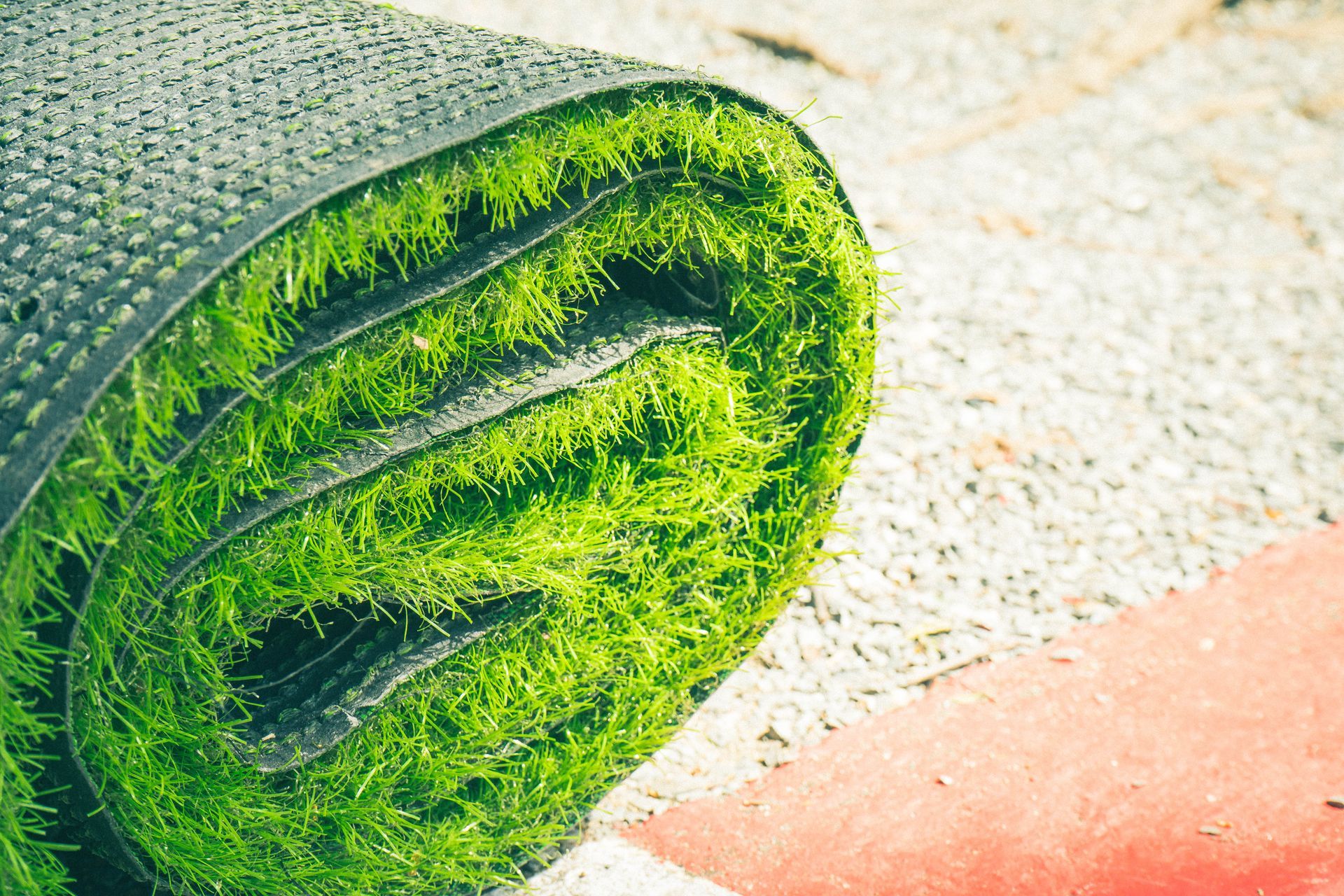
During installation, turf rolls are carefully positioned and trimmed to fit the yard’s layout. Seams are aligned precisely to create a continuous, natural-looking surface. Attention to grain direction is essential, as it affects color consistency and visual flow. Proper alignment plays a key role in the overall success of the lawn install.
Securing the Turf and Adding Infill
The turf is anchored along edges and seams to keep it stable during daily use. Once secured, infill material is brushed into the fibers to add weight, cushioning, and support. Infill also helps blades stand upright and improves overall durability. These steps complete the structural elements of the lawn install and prepare the surface for regular activity.
Post-Installation Guidelines
Once installation is complete, light brushing and inspection help finalize the surface. This process allows installers to check seams, edges, and overall consistency. Allowing the turf to settle before heavy use supports long-term performance. These final steps help protect the quality of the lawn install.
Aftercare and Maintenance
Routine Care and Cleaning
Artificial turf requires minimal upkeep compared to natural grass. Occasional rinsing removes dust, pollen, and surface debris, especially in dry conditions. Light cleaning also helps maintain color and texture over time. Simple care habits protect the investment made during the lawn install and keep the yard looking consistent.
Managing Wear Over Time
High-traffic areas may benefit from periodic brushing to keep fibers upright. Brushing helps distribute infill evenly and reduces matting. This is especially helpful in walkways or play areas. Regular attention supports even wear and extends the life of the lawn install. According to Research and Markets, a natural 700-square-foot lawn requires about 150,000 gallons of water annually. Artificial turf allows you much more flexibility.
Seasonal Considerations
Seasonal maintenance for artificial lawns is straightforward and manageable. Inspecting seams, checking drainage performance, and refreshing infill as needed helps the surface stay functional. Seasonal checks also allow small issues to be addressed early. These steps help the lawn perform consistently throughout the year.
Troubleshooting Common Installation Issues
Identifying Surface Changes
Minor settling or uneven areas can occasionally appear after installation. These changes are often related to base compaction or heavy use. Identifying these issues early makes corrections easier and less disruptive. Prompt attention helps maintain the appearance and function of the lawn install.
Addressing Drainage Concerns
If water flow seems restricted, adjustments to the base or surrounding landscape may be necessary. Drainage issues can usually be corrected without removing the turf. Proper water movement protects both the turf and the underlying base. Addressing drainage concerns supports long-term durability and comfort.
Handling High-Traffic Zones
Areas that see frequent use may require occasional maintenance to maintain appearance. Brushing fibers and redistributing infill help prevent flattening. These simple steps restore cushioning and visual consistency. Regular attention helps extend the lifespan of the lawn install.
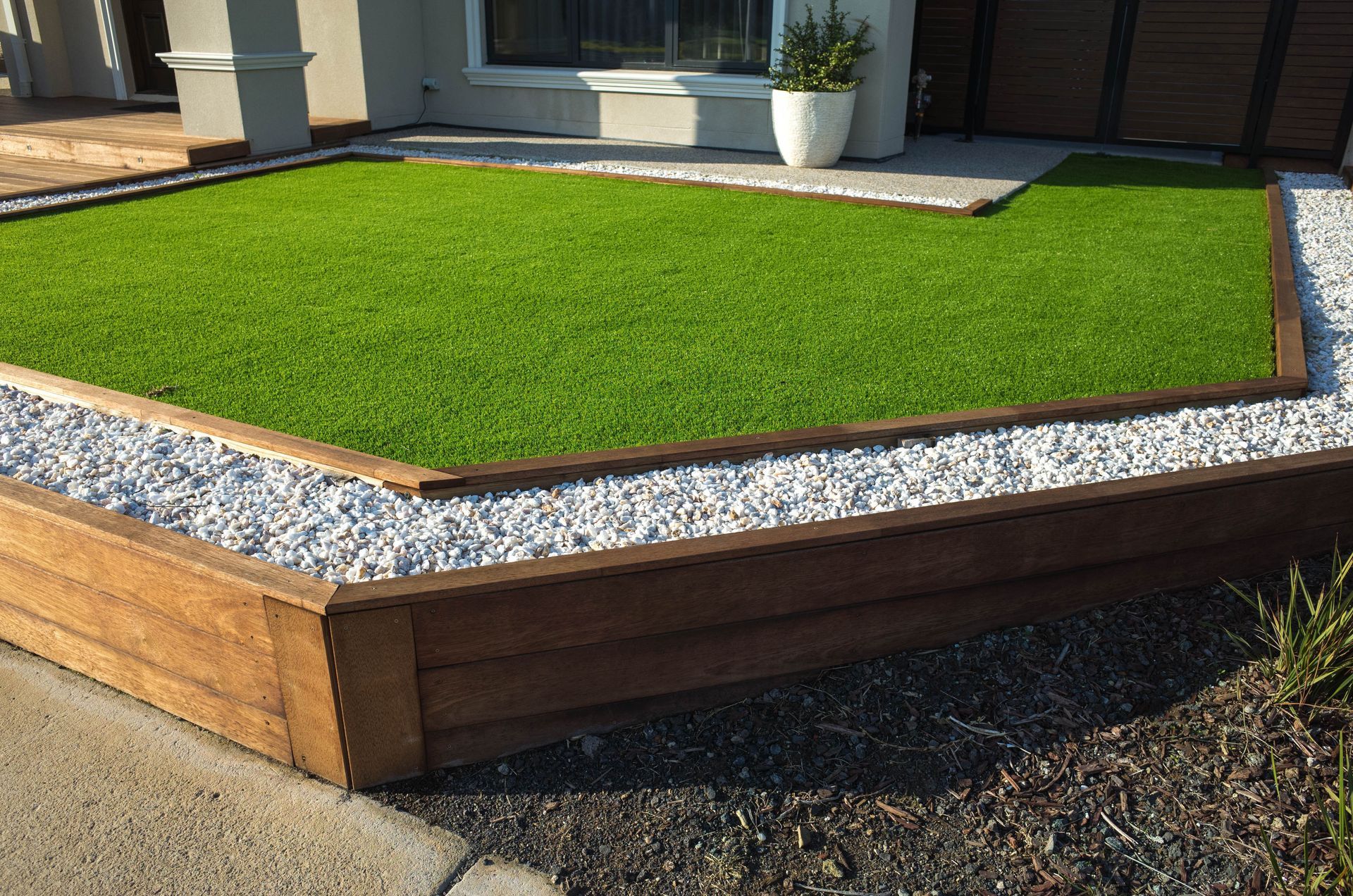
A successful artificial turf project begins with planning, preparation, and informed decision-making. By understanding each phase of the process, homeowners can avoid common issues and set realistic expectations. Committing to simple upkeep helps protect both appearance and performance. With the right approach, a lawn install becomes a lasting investment in comfort, usability, and curb appeal. Contact Kirsch Landscape & Design today to learn more. Contact Kirsch Landscape & Design today to learn more.
Share On: